
TechnologyOverview
Size reduction technology
The four mechanisms of comminution, the fineness each one reaches, and how to pick the right technology for your material.
01What size reduction is
Size reduction is applied physics
A particle fractures when the stress applied to it exceeds its ultimate strength. Which mechanism gets you there is decided by the target fineness and by the material itself.
The five THOR platforms are these four mechanisms built into real machines. Pick by fineness range, then confirm with a pilot run on your own feed.
- CompressionCoarse · > 1 mmSqueezes the particle between two hard faces until it cracks
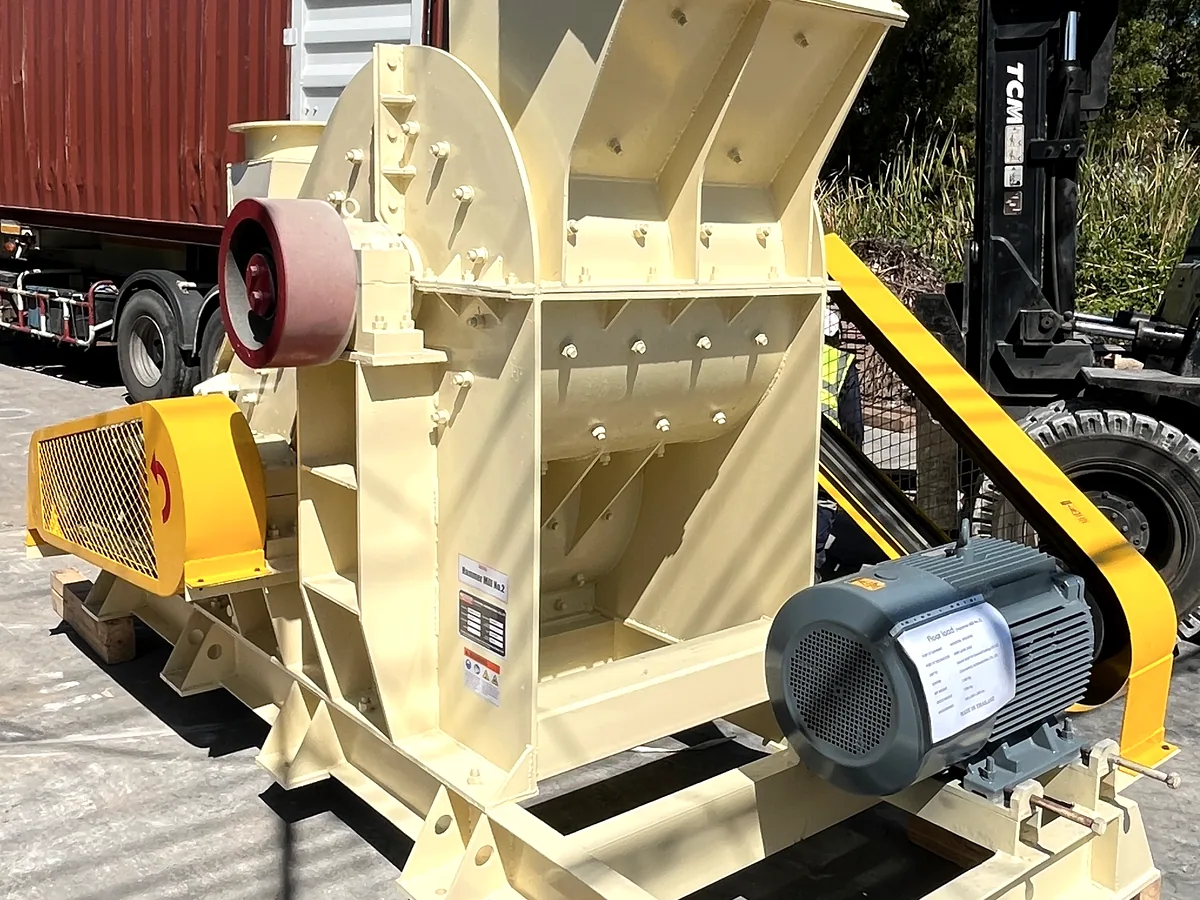
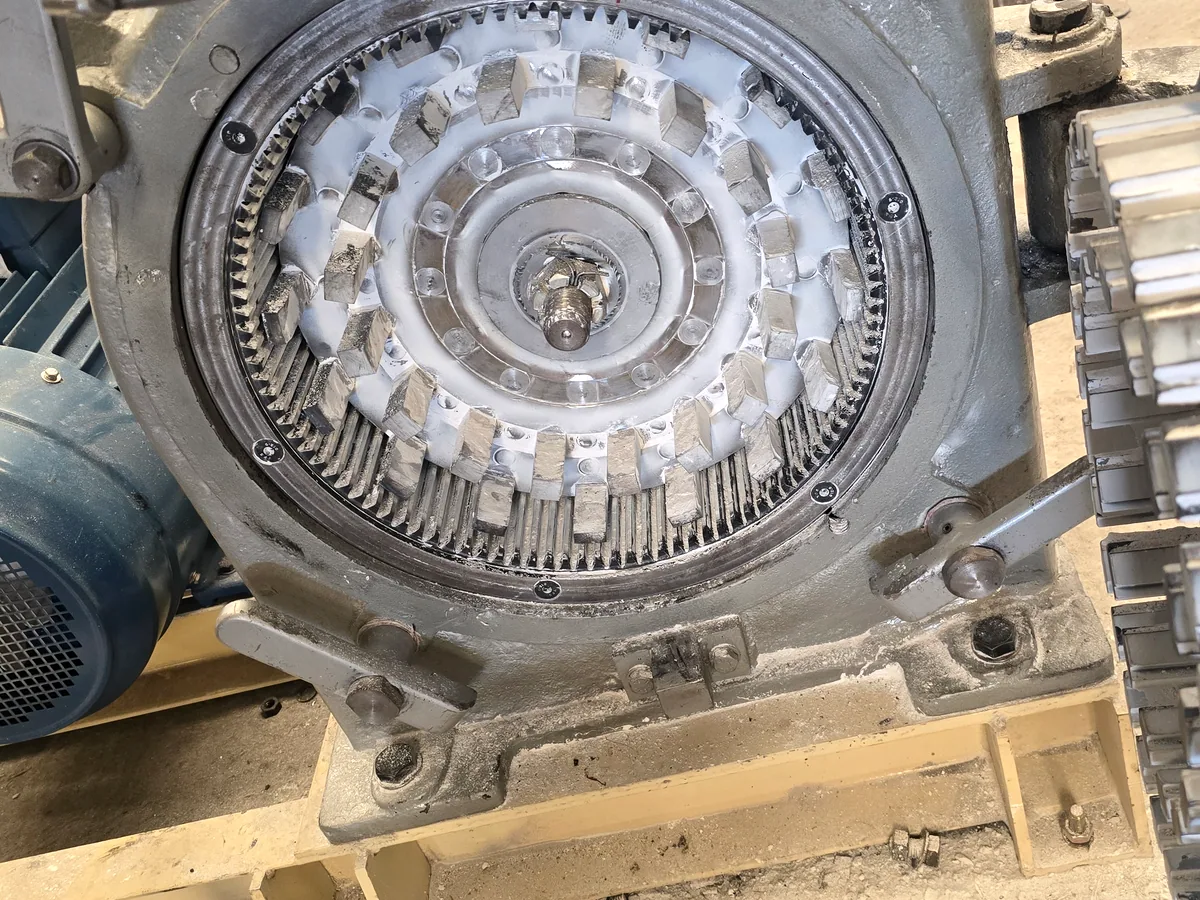
- Impact50 µm – 5 mmA fast hammer or pin shatters the particle — the Hammer Mill and Pin Mill
- Attrition20 – 200 µmGrinding media rubs and crushes the bed — the Ball Mill
- Fluid energy2 – 30 µmParticles collide with each other in high-speed air — the Jet Mill
02Comminution spectrum
Your target fineness decides the machine
5 mm1 mm200 µm50 µm2 µm
Coarse · Hammer MillSub-micron · Jet Mill

Have a material in mind?
Tell us the feed, the target size and the duty — we'll point you to the right technology