
Recycling Industry
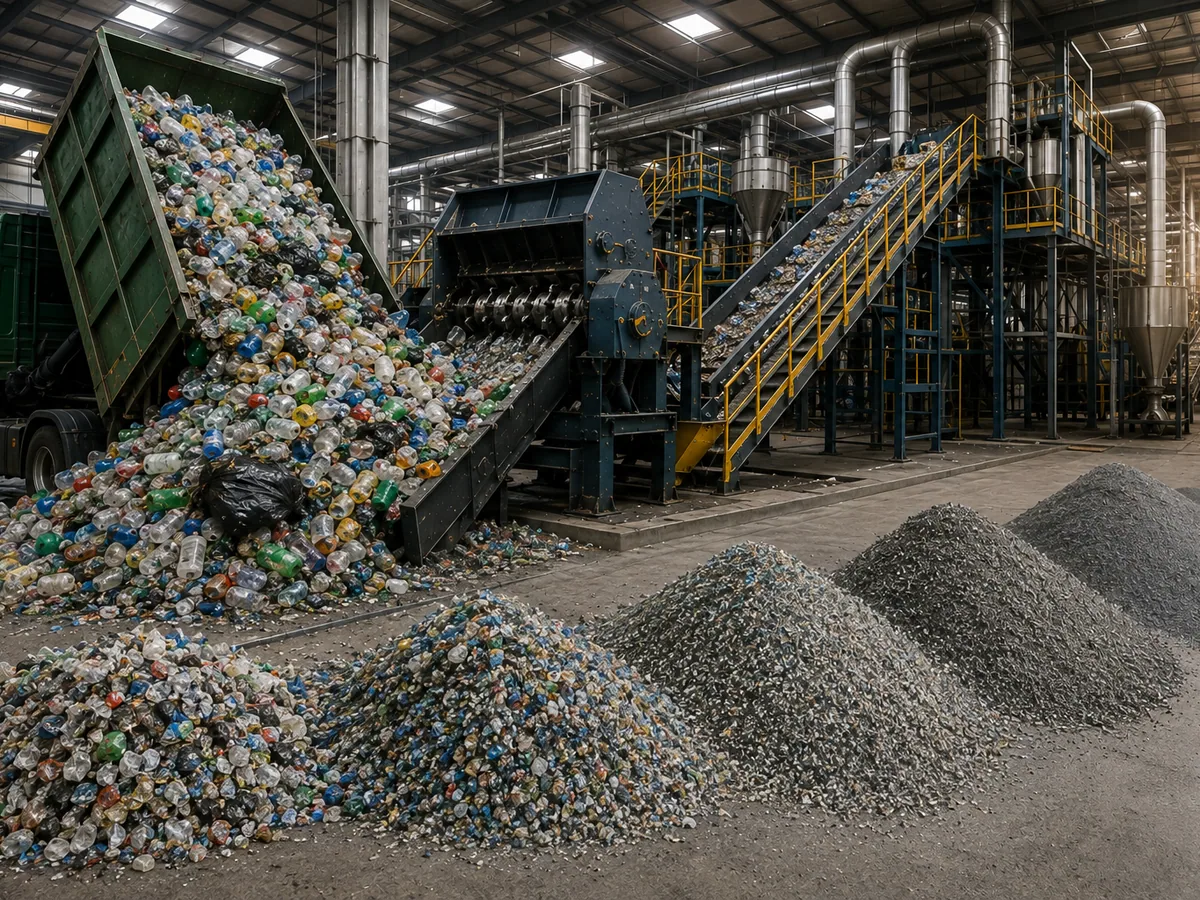
Sustainable grinding solutions for recycling and material recovery. As industries focus on sustainability and resource efficiency, grinding plays a critical role in recycling operations — reducing material size, improving separation and preparing recyclables for further processing.
- Duty
- Continuous
- Throughput
- High
- Wear parts
- Durable · resistant
- Dust control
- Advanced
Waste in Resources out
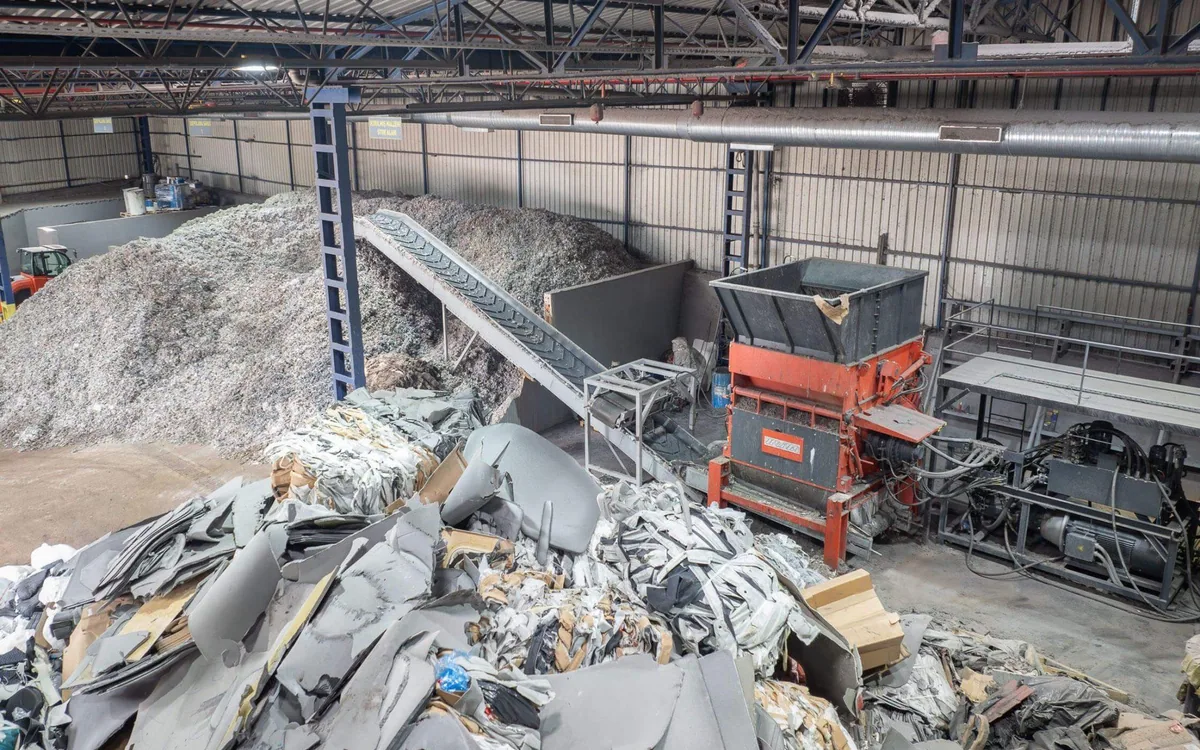
Modern grinding technology processes plastics, electronic waste, rubber, wood waste, packaging materials, batteries, metal scraps and industrial by-products. By transforming bulky waste into uniform particles, our systems improve handling efficiency, increase recovery rates and support environmentally responsible manufacturing.
Engineered for continuous operation and high throughput, with durable wear-resistant components and advanced dust control — and customizable configurations for specific particle-size targets and downstream separation processes.
Typical recycling applications
Eight recovery streams we process — each tuned for separation efficiency and maximum material recovery.
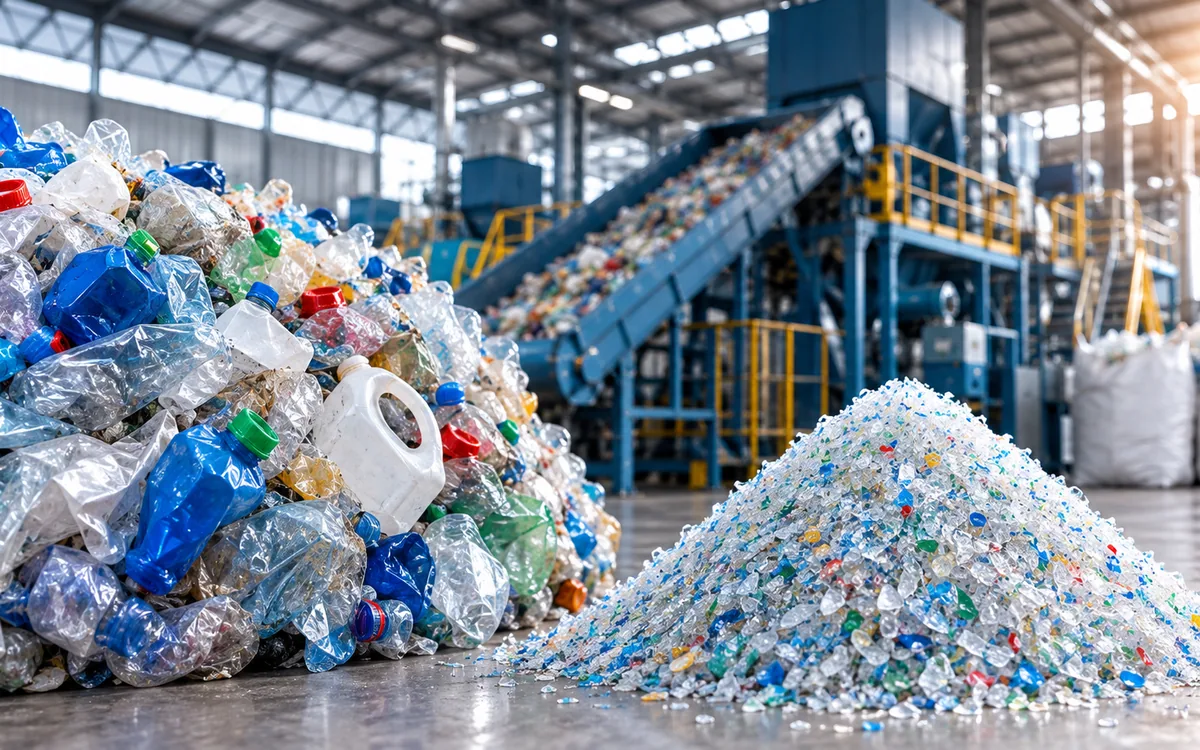
Plastic Recycling
PET, HDPE and film reduced to uniform regrind for re-pelletising and reuse.
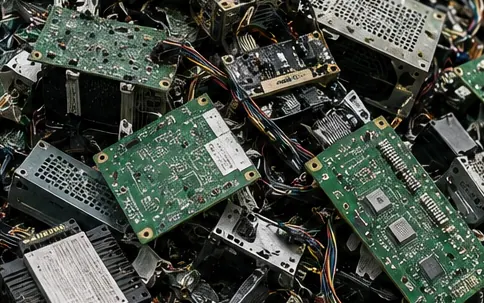
Electronic Waste (E-Waste)
PCBs and cable granulated to liberate copper, aluminium and precious metals.
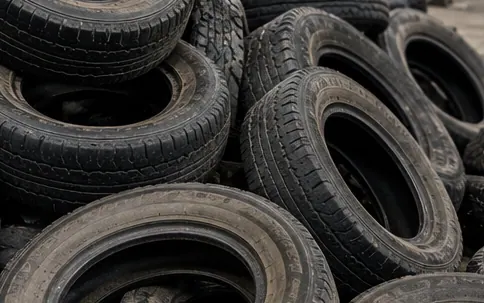
Rubber & Tire Recycling
End-of-life tires processed into crumb rubber with steel and fibre liberation.
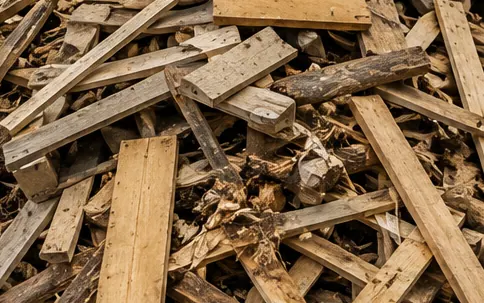
Wood Waste Processing
Wood and biomass waste reduced for board, fuel and fibre applications.
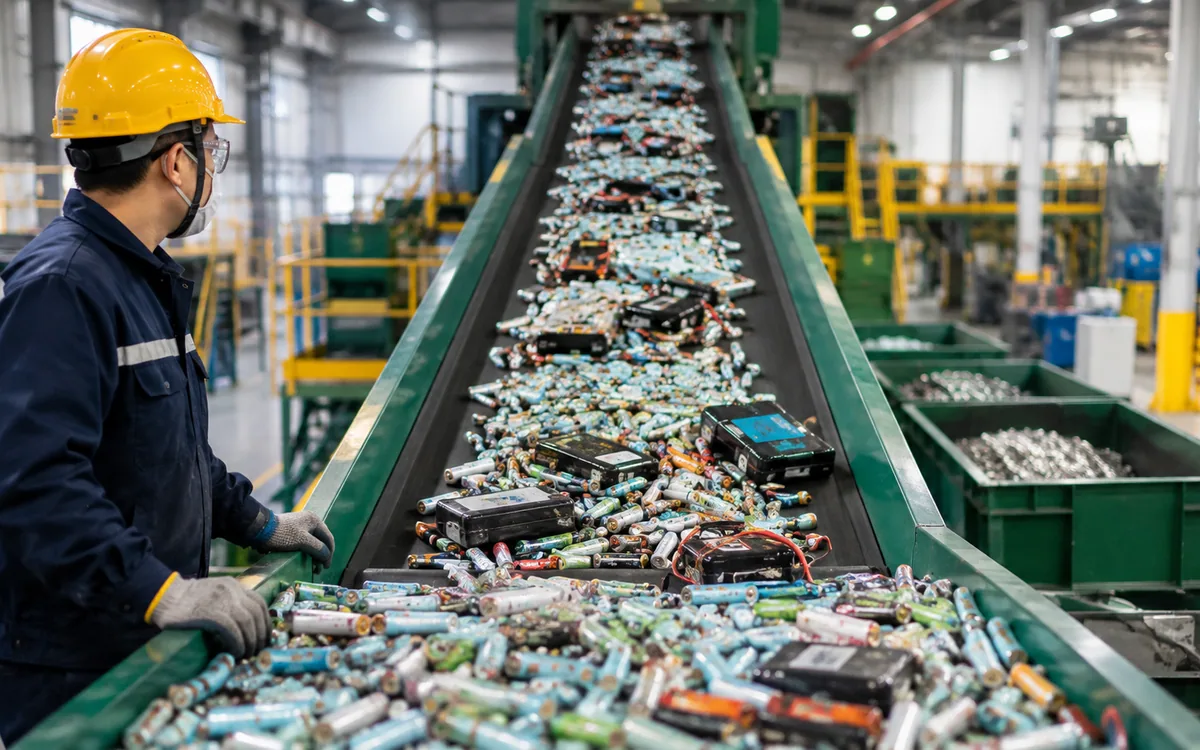
Battery Recycling
Controlled reduction of end-of-life cells for black-mass recovery.
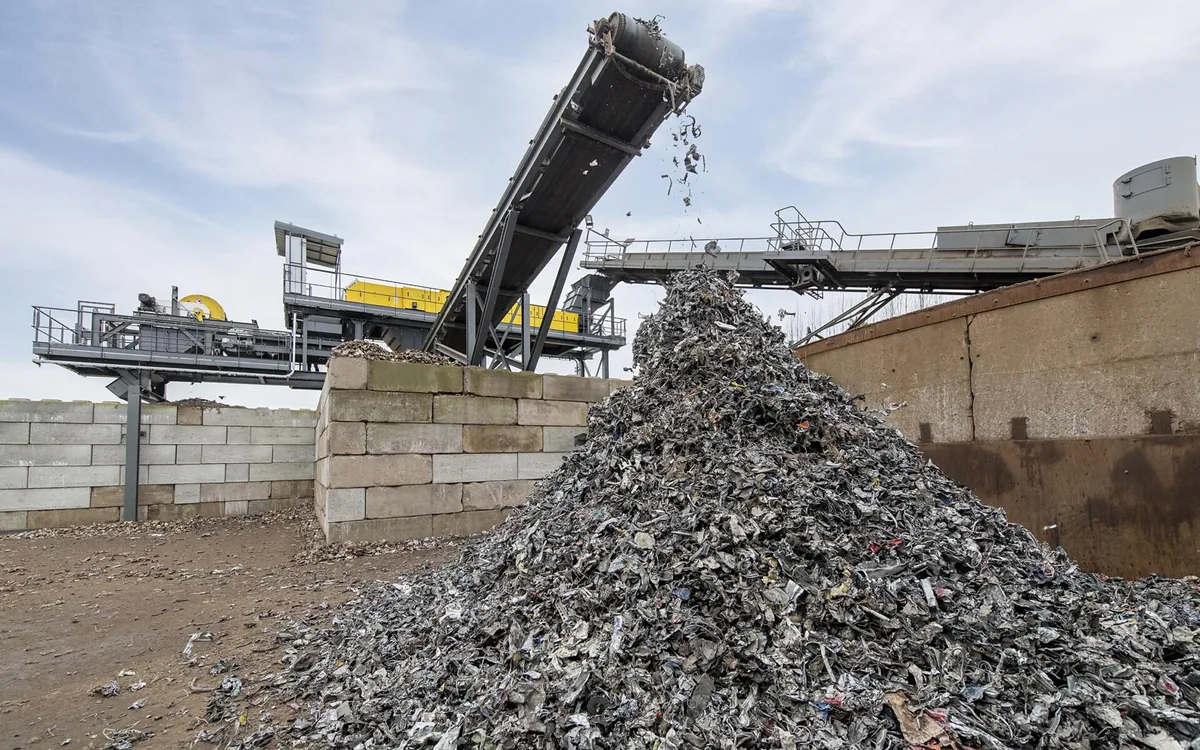
Metal Scrap Processing
Metal scrap downsized for efficient sorting, transport and remelting.
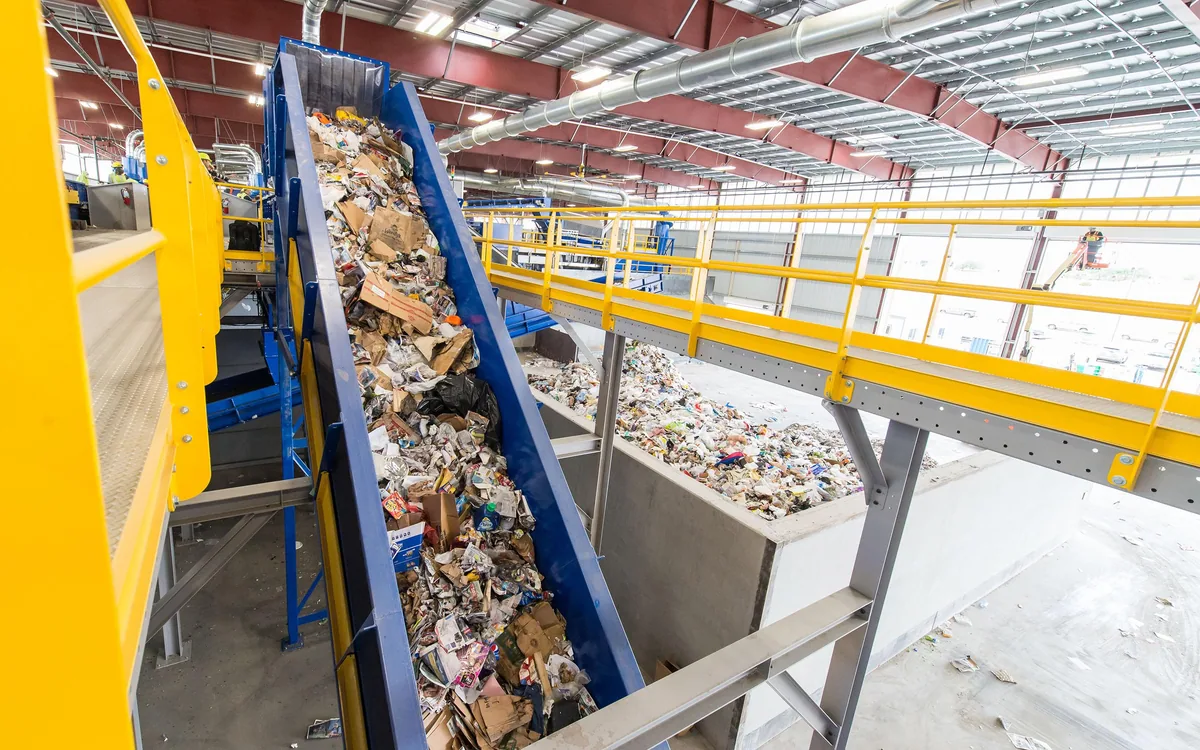
Packaging Material Recycling
Mixed packaging reduced to uniform particles for separation lines.
Industrial Waste Recovery
Industrial by-products converted into recoverable, reusable feedstock.
Key advantages
Built for the toughest, most variable feeds in industry — with sustainability as the outcome.
Efficient size reduction
Bulky waste transformed into uniform, easy-to-handle particles.
Improved recovery rates
Better separation efficiency and higher-value recovered materials.
Durable heavy-duty construction
Wear-resistant components built for abrasive, mixed feeds.
Reliable continuous operation
High-throughput performance with stable, round-the-clock output.
Advanced dust control
Integrated dust-management systems for clean, safe operation.
Customizable solutions
Configurations tuned to particle-size and separation requirements.
Reduced disposal costs
Less waste to landfill — lower disposal and operational costs.
Supports sustainability
Enables circular-economy, environmentally responsible manufacturing.
Why grinding is important in recycling
Grinding is one of the most critical steps in the recycling process. Proper particle-size reduction improves material-separation efficiency, enhances downstream processing performance and increases the value of recovered materials. Whether processing plastics, metals, rubber or mixed industrial waste, advanced grinding systems provide the consistency and reliability modern recycling facilities require.
With increasing environmental regulations and growing demand for circular-economy solutions, industrial grinding technology helps manufacturers and recycling companies convert waste into valuable resources — while reducing environmental impact and operational costs.
Mills used in recycling
The platforms most often specified for this duty Open any spec sheet for full sizing